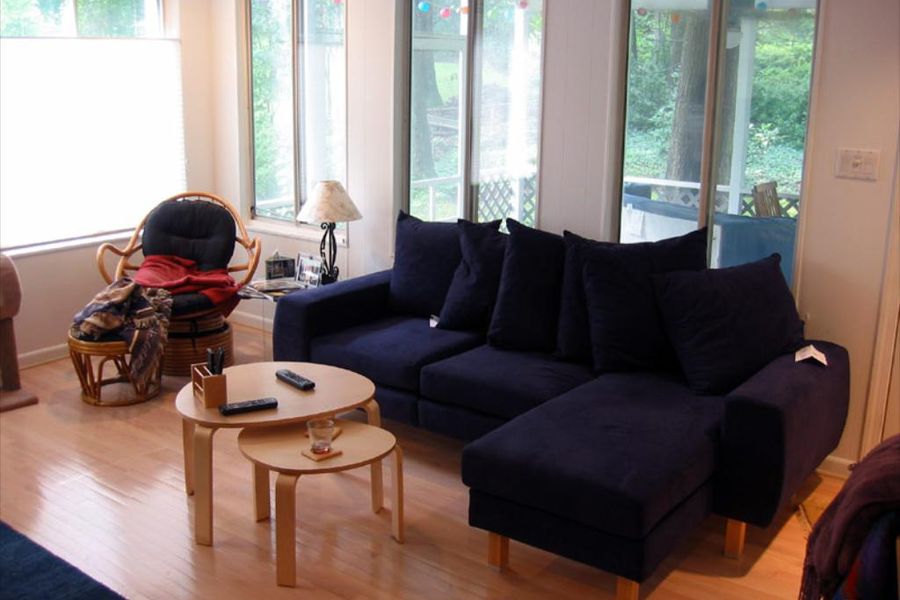
An energy-efficient home is not just about lower bills. It is about rooms that stay comfortable all year, fewer draughts, less noise from outside and a smaller footprint for your family.
Seal the gaps first
Before investing in big upgrades, deal with the easy wins. Gaps around doors, windows, attic hatches and plumbing penetrations let warm or cool air escape. Weatherstripping and sealing are low-cost jobs that make a noticeable difference.
Upgrade your windows
Older single-pane or poorly sealed windows are one of the biggest sources of heat gain in summer and heat loss in winter. Modern energy-efficient windows with insulated frames and low-emissivity glass keep temperatures steadier and cut outside noise.
- Look for well-insulated frames that suit the style of your home.
- Make sure installers seal and flash every opening properly.
- Consider window placement and shading for sun-facing rooms.
Think about the roof and attic
Heat rises, so your roof and attic play a big role in comfort. Good insulation, proper ventilation and a reflective roofing material can help keep the whole house cooler in hot weather and warmer when it turns cold.
The cleanest energy is the energy your home never needs to use.
Add solar power
Once your home is using less energy, solar panels can supply much of what remains. A professional assessment will look at your roof orientation, shading and electricity use to recommend a system size, and whether a battery makes sense for storing power for the evening.
Finish with smart controls
Smart thermostats, efficient lighting and simple timers help you get the most from every upgrade. Combined, these changes create a home that feels better to live in and costs less to run, season after season.